

Wallet and session issues are among the most frequent operational problems faced by users during live cricket exchange betting. In fast-moving exchange environments, especially during T20 powerplays or ODI death overs, even a minor wallet delay or session disruption can lead to missed entries, forced exits, or unmanaged risk. A Betting Exchange ID acts as the core access point to live cricket markets, and understanding how wallet and session issues arise is essential for maintaining control during live play.
This article explains the most common wallet and session-related problems encountered during live cricket matches and provides practical, cricket-specific solutions to avoid them.
Why Wallet and Session Stability Matters in Live Cricket Exchange Betting
Live cricket markets react instantly to wickets, boundaries, and momentum shifts. During such moments, traders rely heavily on uninterrupted access to their betting exchange wallet and active session.
Wallet or session issues can result in:
- Inability to place or close bets during key overs
- Incorrect assessment of available balance
- Forced exposure during volatile match phases
- Loss of strategic timing advantage
Stable wallet visibility and session continuity are not conveniences—they are risk-management essentials.
Understanding Wallet Functionality in a Betting Exchange ID
The wallet linked to a betting exchange ID reflects real-time balance changes based on live bets, matched positions, and closed trades.
In live cricket matches, the wallet is affected by:
- Rapid bet placements and closures
- Partial matching during low-liquidity moments
- Simultaneous exposure across multiple markets
If users do not understand how wallet updates work, confusion often arises during high-pressure overs.
Must Check:- Top Benefits of Using an Online Cricket Betting ID for Secure Betting
Common Wallet Balance Delay Issues During Live Matches
What Causes Wallet Balance Delays
Wallet balance delays typically occur due to:
- High transaction volume during popular matches
- Rapid odds movement causing partial bet matching
- Network latency during peak overs
For example, during a T20 death over, multiple traders may attempt to close positions simultaneously, briefly delaying wallet updates.
How to Avoid Wallet Balance Confusion
To reduce wallet-related errors:
- Avoid placing multiple bets in quick succession during extreme volatility
- Wait for confirmation that previous bets are fully matched
- Refresh wallet view only after market stabilization
Understanding that brief delays are operational rather than actual losses prevents emotional reactions.
Insufficient Balance Errors Despite Available Funds
One of the most common wallet issues occurs when users see an “insufficient balance” message even though funds appear available.
Why This Happens in Live Cricket
This usually occurs when:
- Funds are temporarily locked in open positions
- Exposure exists in another market within the same match
- Partial matching has reserved balance
For example, backing a team in the 12th over while still holding exposure from a session market can restrict available balance.
How to Prevent This Issue
Best practices include:
- Closing unused positions before entering new ones
- Monitoring total exposure across markets
- Avoiding over-commitment during overlapping sessions
This approach ensures wallet clarity during fast-moving phases.
Searching for the Best Online Cricket Betting ID? Visit:- 6sensefantasy
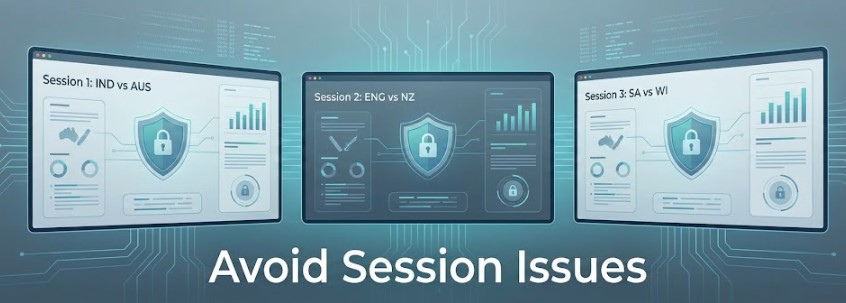
Session Timeout Issues During Live Cricket Matches
Session timeouts are another frequent problem, especially during long matches or extended trading sessions.
Why Session Timeouts Occur
Session issues typically arise due to:
- Inactivity during slow match phases
- Network changes between Wi-Fi and mobile data
- Extended login duration during Test matches
A session timeout at the wrong moment can be costly.
How to Avoid Session Timeouts
To maintain session stability:
- Remain periodically active during long matches
- Avoid switching networks mid-session
- Re-login during natural breaks such as innings intervals or tea breaks
These steps reduce the risk of being logged out during critical overs.
Forced Logouts During High-Volatility Overs

Some users experience forced logouts precisely when markets become most active.
Forced logouts during:
- T20 death overs
- ODI final overs
- Test match closing sessions
can leave open positions unmanaged, significantly increasing exposure.
Prevention Strategies
To reduce forced logout risk:
- Avoid using multiple devices simultaneously
- Do not refresh the platform excessively during volatility
- Keep only essential markets open
These measures help maintain session integrity when it matters most.
Wallet Lock Issues During Withdrawals
Wallet lock issues often occur when users request withdrawals during live matches.
When a withdrawal is initiated:
- Wallet balance may temporarily freeze
- New bets may be restricted
- Open positions still carry risk
If this happens during a live match, users lose flexibility.
Best Practice for Withdrawals
To avoid disruption:
- Request withdrawals only between matches
- Avoid placing new bets during withdrawal processing
- Confirm wallet status before re-entering markets
This prevents wallet lock conflicts during live cricket action.
Session and Wallet Issues During Multi-Market Exposure
Cricket exchange users often trade multiple markets within the same match, such as match winner, session totals, and over markets.
Problems arise when:
- Exposure overlaps unknowingly
- Wallet balance appears lower than expected
- Session refresh lags behind market movement
This is common during ODI chases with simultaneous session and match markets.
How to Manage Multi-Market Wallet Risk
To maintain clarity:
- Track exposure per market manually
- Close unnecessary positions early
- Avoid entering new markets without checking total liability
This disciplined approach minimizes wallet confusion.
Psychological Impact of Wallet and Session Errors
Operational issues often trigger emotional responses, which compound risk.
Common reactions include:
- Panic exits at poor prices
- Overcompensation after missed trades
- Loss of discipline during recovery attempts
Experienced users treat wallet and session issues as technical challenges rather than emotional setbacks.
Check Out :- 7 Essential Reasons to Choose a Reliable Online Cricket ID Provider
Preventive Checklist for Stable Betting Exchange Usage
To minimize wallet and session issues:
- Use a stable internet connection
- Trade from a single device
- Avoid peak overload moments unless necessary
- Monitor exposure continuously
- Log out and back in during scheduled breaks
These habits significantly reduce disruptions during live matches.
Final Thoughts on Managing Wallet and Session Issues
Live cricket exchange betting demands more than match knowledge—it requires operational discipline. Wallet and session problems should be viewed as part of overall risk management rather than isolated technical issues.
By anticipating wallet behavior, maintaining session stability, and aligning actions with match phases, users can protect themselves from avoidable disruptions and operate with greater confidence in fast-moving live cricket exchange markets.